
Course Overview
This course provides an essential foundation in laboratory techniques and protocols used in modern biotechnology. Students will gain hands-on experience with core molecular biology methods including DNA extraction, PCR amplification, gel electrophoresis, and protein purification. Emphasis is placed on precision, accuracy, and adherence to standard protocols, preparing students for professional laboratory work. Through structured daily experiments, students will deepen their understanding of biotechnological processes while developing technical competencies in a rigorous and focused setting that mirrors professional research environments.
Beyond technical skills, this course cultivates fundamental research competencies essential for scientific careers. Students will learn to maintain detailed, organized lab notebooks following professional standards, ensuring reproducibility and proper documentation of experimental procedures and observations. The curriculum emphasizes critical analysis and interpretation of experimental results, including troubleshooting unexpected outcomes and understanding sources of error. Students will also develop information literacy skills through literature searches, evaluation of scientific sources, and integration of published research into their experimental context. These skills in documentation, data analysis, and scientific communication form the backbone of responsible research practice and prepare students for advanced coursework or careers in biotechnology and life sciences.
All students who successfully complete the course will receive a Certificate of Completion and have the opportunity to request a Syracuse University noncredit transcript.
Learning Objectives
After taking this course, all students will be able to:
- Demonstrate Proficiency in Basic Laboratory Techniques: Execute fundamental biotechnology procedures with precision and accuracy.
- Adhere to Laboratory Safety and Protocols: Follow standard laboratory safety protocols, including proper handling of reagents, equipment, and biological materials, to ensure a safe working environment.
- Analyze and Interpret Experimental Data: Evaluate experimental results, troubleshoot issues, and apply critical thinking to interpret data accurately and effectively.
- Document and Report Laboratory Findings: Maintain detailed and accurate laboratory records, and communicate findings through clear, well-organized lab reports.
- Understand the Applications of Biotechnological Methods: Recognize the practical applications of various biotechnological techniques in research, industry, and healthcare settings.
- Develop Teamwork and Collaboration Skills: Work effectively in a team setting, demonstrating strong communication and collaboration skills essential for success in a professional laboratory environment.
Course Information
Course Prefix and Number: TBD
Format: On Campus (at Syracuse University)
Eligibility: Students must be of rising high school sophomore, junior, or senior status – or a 2026 high school graduate. Applying students must have completed high school biology with a grade of B+ or higher.
Credit: Noncredit
Grading: Pass/Fail
Cost:
- Residential: $4,995
- Commuter: $4,024
Program rates are subject to change and will be approved by the board of trustees. Discounts and scholarships are also available.
Program Information
Summer College – On Campus: Experience what college is really like: take a college-level course, live in a residence hall, have meals with friends in a dining hall, and participate in activities and events on campus.
Course Dates and Details
| Program | Course Dates | Class Time (Eastern Time) | Credit/Noncredit |
|---|---|---|---|
| Summer College – On Campus | 2- Week Session I: Sunday, July 5 – Friday, July 17, 2026 | MTWThF; 9:30 a.m. – 3:30 p.m. | Noncredit |
To see if this course is ‘open,’ refer to the full course catalog.
Required Supplies
Students are expected to bring a laptop for independent research.
Typical Day
Tentative Schedule
Morning Session (9:30 – 11:30 a.m.):
- Review of previous material and how it loops into today’s work
- Short knowledge check of required reading/homework
- Mix of lectures and group activities
- Gathering results from previous day’s experiments, if applicable
- Analysis of previous day’s results
- Wet lab work if extended incubations/procedures require an hour-long wait (can run during lunch)
Lunch (11:30 a.m. – 12:30 p.m.)
Afternoon Session (12:30 – 3:30 p.m.):
- Wet lab procedures – methods, results, analysis
- Notebook work and interpretation of results
- Homework overview and introduction of readings for the next day
- “Exit interviews” – what were the key takeaways from today’s exercises and content?
Last few days of class will include report/poster/short talk preparation and presentation work time.
When class is over, and on weekends, students can look forward to various Summer College – On Campus activities to meet and connect with other students! Check out our On Campus Experience page for more information!
Faculty Bio
Dr. Allison Oakes
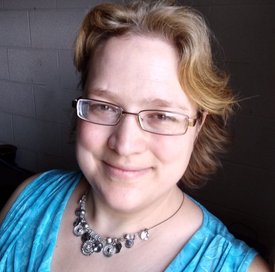
Dr. Allison Oakes is an Assistant Teaching Professor in the Biology department at Syracuse University. She has been teaching in higher education since 2015, after earning a PhD in Plant Science and Biotechnology from the SUNY College of Environmental Science and Forestry. Her post-doctoral position involved research on rooting and acclimatization of genetically engineered trees for the American Chestnut Research and Restoration Project and subsequently American elm trees as an Orentreich Research Fellow. She has extensive background in teaching at all higher education levels, including Principles of Genetics Lecture/Lab, Plant Tissue Culture, and Writing for Scientific Publication at SUNY ESF, Introduction for Statistics I and II at Lemoyne College, General Biology for non-majors and for nursing students at Onondaga Community College. At Syracuse University. Dr. Oakes is currently teaching multiple 400-level lab and lecture courses such as Biotechnology Lab, Genetics Lab, and Tissue Culture Lab, as well as “Biotechnology in Public Health & Medicine” and “Pharmaceuticals & Drug Delivery”. She enjoys connecting with current and future scientists through hosting conferences, mentoring, and developing undergraduate research opportunities.