
Course Overview
Why do sprinters lean forward at the start of a race but stand tall at the end? What makes a pitcher’s fastball unhittable? How do physical therapists know which exercises will get you back on the field after an ACL tear? Sports science combines anatomy, physics, and technology to unlock the answers behind how we move – whether that’s optimizing athletic performance or helping someone rehab from an injury. This course will teach students the same techniques that professional teams and rehabilitation clinics use daily, providing hands-on experience analyzing movements from sprint mechanics to squatting and landing patterns.
Students will explore how anatomy and physics combine to create human movement through lectures and hands-on lab activities. General topics include (1) how muscles, joints, and forces work together to produce efficient motion, (2) how the nervous system coordinates movements, and (3) how to apply this knowledge in athletic and rehabilitation settings. Each class will be divided into a lecture and lab activity. During lecture, students will learn the fundamental principles of movement analysis and will then apply this knowledge in lab by assessing their own movements, comparing elite vs. novice performance across different sports, and identifying what makes movements either efficient or injury prone.
All students who successfully complete the course will receive a Certificate of Completion and have the opportunity to request a Syracuse University noncredit transcript.
Learning Objectives
- Analyze human movement using concepts from anatomy and physics.
- Identify efficient vs. inefficient movement patterns in sport and rehabilitation settings.
- Explain how muscles, joints, and the nervous system work together to produce coordinated movement.
- To use video analysis and observation techniques to evaluate athletic performance and movement quality.
- To propose evidence-based modifications to improve an athlete’s performance or reduce their injury risk.
Course Information
Course Prefix and Number: TBD
Format: On Campus (at Syracuse University)
Eligibility: Students must be of rising high school sophomore, junior, or senior status – or a 2026 high school graduate.
Credit: Noncredit
Grading: Pass/Fail
- Residential: $4,995
- Commuter: $4,024
Program rates are subject to change and will be approved by the board of trustees. Discounts and scholarships are also available.
Program Information
Summer College – On Campus: Experience what college is really like: take a college-level course, live in a residence hall, have meals with friends in a dining hall, and participate in activities and events on campus.
Course Dates and Details
| Program | Course Dates | Synchronous Class Time (Eastern Time) | Credit/Noncredit |
|---|---|---|---|
| Summer College – On Campus | 2-Week Session II: Sunday, July 19 – Friday, July 31, 2026 | MTWThF; 10 a.m. – 2:30 p.m. | Noncredit |
To see if this course is ‘open,’ refer to the full course catalog.
Course Requirements
Required Supplies
A computer or laptop with internet accessibility is required. Students should dress appropriately to partake in exercise (i.e., athletic clothes, close-toed shoes).
Typical Day
Tentative Schedule
A typical day will run from 10:00 AM through 02:30 PM. Each day will be split into three parts:
- Lecture: 10 a.m. to Noon (12 p.m.)
- Lunch: Noon (12 p.m.) to 12:30 p.m.
- Lab: 12:30 p.m. to 2:30 p.m.
During the lecture portion of the class, students will learn about basic principles of anatomy and physics as they relate to sport performance and injury rehabilitation (example lecture topics include linear kinematics and kinetics, angular/rotational motion, skill development in athletes, and movement analysis for injury prevention). Students will then go to lunch before returning to the class for the laboratory portion. In the lab portion, students will conduct and partake in movement experiments related to the lecture of the day, either as participants themselves or by watching videos of athletes.
When class is over, and on weekends, students can look forward to various Summer College – On Campus activities to meet and connect with other students! Check out our On Campus Experience page for more information!
Faculty Bios
Farmchan Saechao
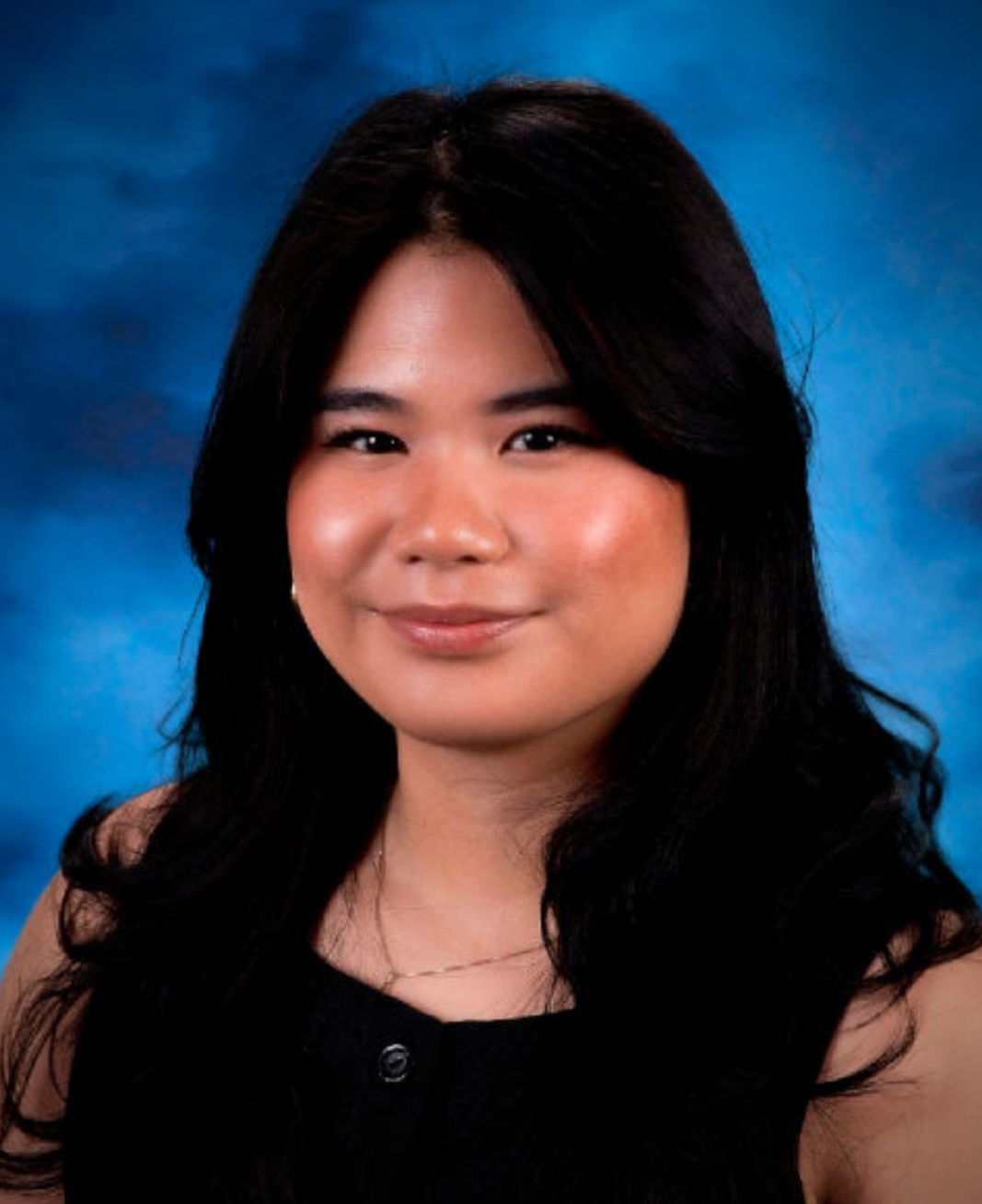
Farmchan Saechao is a Master of Science student in Exercise Science at SU’s Falk College of Sport. She completed her Bachelor of Science degree in Health and Exercise Science at Syracuse University in 2025. During her time at SU, she has served as a teaching assistant for Introduction to Exercise Science (EXE 195) and Scientific Principles of Conditioning (EXE 436). In addition to her academics, she worked as an intern in strength and conditioning with Syracuse Cheer and Dance Team and Le Moyne College Athletics. Farmchan conducts research in the SU Neuromuscular Physiology Lab, where she examines neuromuscular adaptations to strength training and immobilization/disuse. She has presented her research at regional and national conferences and received the Department of Exercise Science Excellence in Undergraduate Research Award in 2025.