
Course Overview
In this pre-college summer course, modeled after Syracuse University’s COM 117: Multimedia Storytelling, high school students will learn to be a Multimedia Journalist (MMJ). They will shoot, edit, produce, write, and voice their own broadcast/online news stories. Classes will have an open environment that creates curiosity, an informative heart, and a (potentially) happy ending. Students will learn the difference between covering a story and storytelling – storytelling that connects the viewer to the subject. Stories that matter more to them because they are emotionally invested in the content, the characters, and how it affects their lives.
Students will also be doing the same for a public service announcement(s), where they will work with actors to make a 60-second “commercial” for the public good. These will help “sell” an idea for a charitable or social cause. Examples include: “Don’t Text and Drive,” “Vaping Kills, or “Be Kind to Each Other.” The message will be truthful and compelling. Guest speakers will help with scriptwriting, voice, interviews, and more.
All students who successfully complete the course will receive a Certificate of Completion and have the opportunity to request a Syracuse University noncredit transcript.
Learning Objectives
By the end of this course, students will know how to:
- To turn students into storytellers of broadcast journalism.
- Explore why journalism matters now more than ever.
- Tell a story through writing, video, sound, and heart.
- Learn Adobe Premiere and use smartphones to record news video and sound.
- Learn techniques for a great interview, which makes for a great story.
- Explore what constitutes a story: how to find it, how to produce it, and how to complete it.
- Learn how to build emotional impact and “gold coin” rewards for the viewer along the way.
- Most of all, students will learn the profound difference between covering a story and storytelling.
Course Information
Course Prefix and Number: SCN 073
Format: On Campus (at Syracuse University)
Eligibility: Students must be of rising high school sophomore, junior, or senior status – or a 2026 high school graduate.
Credit: Noncredit
Grading: Pass/Fail
Cost:
- Residential: $4,995
- Commuter: $4,024
Program rates are subject to change and will be approved by the board of trustees. Discounts and scholarships are also available.
Program Information
Summer College – On Campus: Experience what college is really like: take a college-level course, live in a residence hall, have meals with friends in a dining hall, and participate in activities and events on campus.
Course Dates and Details
| Program | Course Dates | Class Time (Eastern Time) | Credit/Noncredit |
|---|---|---|---|
| Summer College – On Campus | 2-Week Session I: Sunday, July 5 – Friday, July 17, 2026 | MTWThF; 8:30 a.m. – 4:30 p.m. | Noncredit |
| Summer College – On Campus | 2-Week Session II: Sunday, July 19 – Friday, July 31, 2026 | MTWThF; 8:30 a.m. – 4:30 p.m. | Noncredit |
To see if this course is ‘open,’ refer to the full course catalog.
Course Requirements
Required Supplies
- Students should have a portable laptop equipped with 32GB of RAM, a 1TB SSD, and a dedicated GPU
- Students are required to bring a notebook for class
Typical Day
Tentative Schedule
Week 1: Foundations of Visual Storytelling
Students are introduced to the course and the fundamentals of nonfiction video storytelling. Topics include shooting with smartphones, visual composition, basic editing in Adobe Premiere, and analyzing strong examples of news and storytelling. Students begin a nonfiction news story and a Public Service Announcement (PSA), participate in workshops, and complete short quizzes to reinforce key concepts.
Week 2: Reporting, Production, and Newsroom Experience
The second week focuses on advanced reporting skills, interviewing techniques, journalistic ethics, scripting, on-camera presentation, and newsroom workflows. Students refine and complete their PSA and final news story, participate in peer reviews, and engage with guest speakers. The course concludes with a review and public screening of select student work, with parents and guests welcome to attend in person or via Zoom.
When class is over, and on weekends, students can look forward to various Summer College – On Campus activities to meet and connect with other students! Check out our On Campus Experience page for more information!
Faculty Bios
Les Rose – Professor of Practice, Broadcast and Digital Journalism
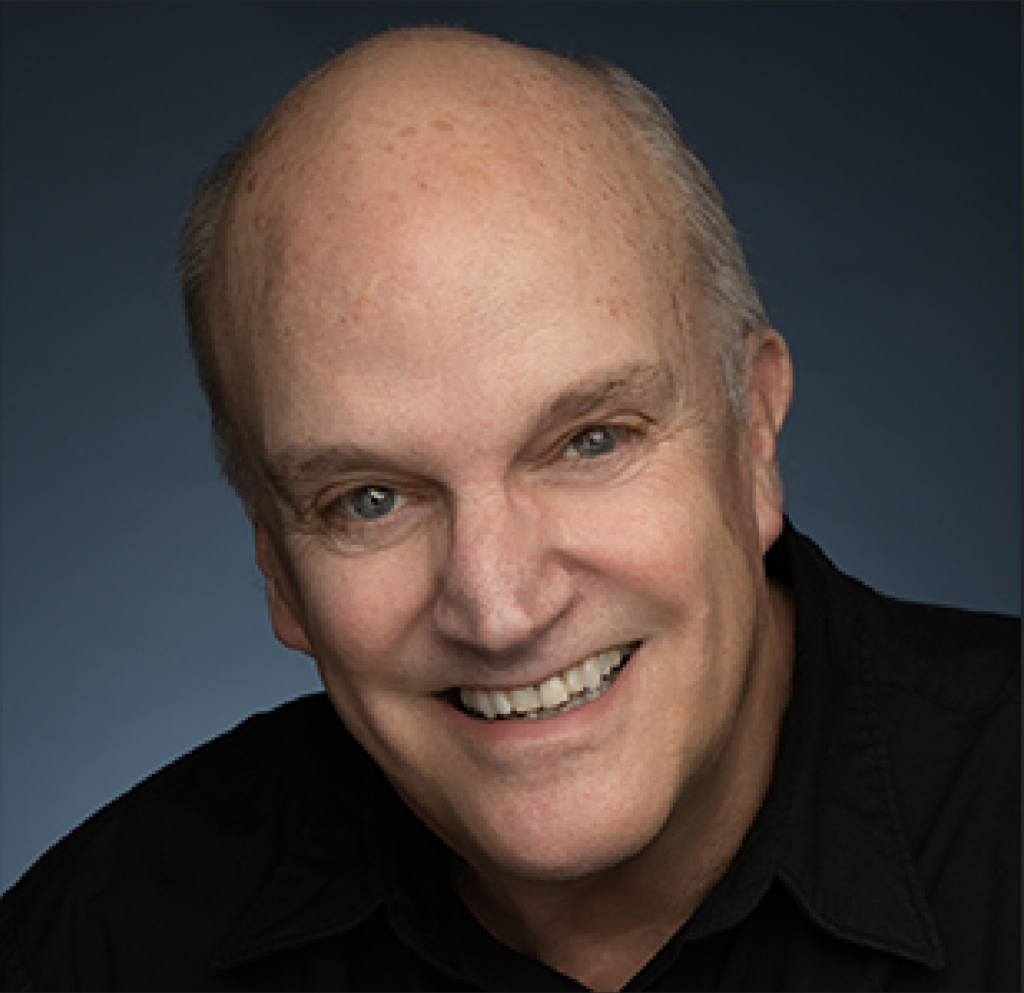
Les Rose’s 38-year career in broadcast journalism included 22 years with CBS National News Network as a photojournalist and field producer. He spent seven years working with CBS News correspondent Steve Hartman on the series “Everybody Has a Story.”
Rose has been honored with a national Edward R. Murrow Award and five Emmy Awards.
He earned a bachelor’s degree from the University of South Florida and a master’s degree from the University of Nebraska-Lincoln.