
Course Overview
Dialogue is a superpower. In this course, students learn about, participate in, and critically reflect on intergroup dialogue. Intergroup dialogue is an educational model that brings together students from multiple social identities in a cooperative, small group, learning environment. Intergroup dialogue often involves members of groups with a history of conflict or limited opportunities to engage in deep and meaningful discussion of controversial, challenging, or divisive issues. The aim is to create a setting for students to engage in constructive dialogue concerning issues of conflict and community, inequality and intergroup relations, with awareness of broader societal inequalities and intersecting systems of privilege and oppression.
All students who successfully complete the course will receive a Certificate of Completion and have the opportunity to request a Syracuse University credit transcript.
Learning Objectives
Students who complete the course should demonstrate the following:
- Enhanced understanding of the experiences of students, groups, and communities that differ from their own and socio-cultural roots of any such differences.
- Enrich their understanding of their own social group memberships and communities especially in a way that reflects the complexity within groups as well across; and
- Be able to describe and practice key communication skills including critical listening to others and dynamic self-reflection and further have an awareness of issues to address in sustaining dialogue across difference. This knowledge and related communication skills will be demonstrated in class dialogues, through written works, and in the end of semester projects/paper.
- Planning and enacting collaboration: Students who complete the course will have experience in identifying, analyzing, and working toward addressing problems of race, racism, and inequality in U.S. society. Related knowledge will be developed through close reading of texts, engagement with such texts and related resources through writing and classroom dialogue, and especially through imagining forms and places of collaborative change or collective action.
Course Information
Course Prefix and Number: CFE 230
Format: On Campus (at Syracuse University)
Eligibility: Students must be of rising high school junior, or senior status – or a 2026 high school graduate.
Credit: 3 Credits
Grading: A-F
Cost:
- Residential: $5,595
- Commuter: $4,624
Program rates are subject to change and will be approved by the board of trustees. Discounts and scholarships are also available.
Program Information
Summer College – On Campus: Experience what college is really like: take a college-level course, live in a residence hall, have meals with friends in a dining hall, and participate in activities and events on campus.
Course Dates and Details
| Program | Course Dates | Synchronous Class Time (Eastern Time) | Credit/Noncredit |
|---|---|---|---|
| Summer College – On Campus | 2-Week Session II: Sunday, July 19 – Friday, July 31, 2026 | MTWThF; 9 – 1 p.m. | 3 credits |
To see if this course is ‘open,’ refer to the full course catalog.
Required Supplies
Students are required to bring a device where they can readily access the online reading materials that will be provided to students.
Typical Day
Tentative Schedule
- 9 – 9:15 a.m.: Class Grounding/Community Check-In
- 9:15 – 10 a.m.: Content/Context Block
- Mini-lecture, video, or reading discussion
- Historical context, current events, or theoretical frameworks
- 10 – 10:15 a.m.: Break
- 10:15 – 11 a.m.: Structured Dialogue Session and/or Student Led Mini-Facilitations
- Small groups
- Facilitated conversations using specific protocols
- Personal story sharing, perspective taking, or case study analysis
- 11 a.m. – 11:30 a.m.: Large Group Debrief
- Key insights and takeaways
- Connections to ongoing projects or community action
- Preview next day’s focus
- 11:30-11:45 p.m.: Individual Reflection
- Silent journaling or structured reflection prompts
- Processing emotions and insights from dialogue
- Noon – 1 p.m.: Structured Dialogue Session and/or Student Led Mini-Facilitations
When class is over, and on weekends, students can look forward to various Summer College – On Campus activities to meet and connect with other students! Check out our On Campus Experience page for more information!
Faculty Bios
Amanda Kingston
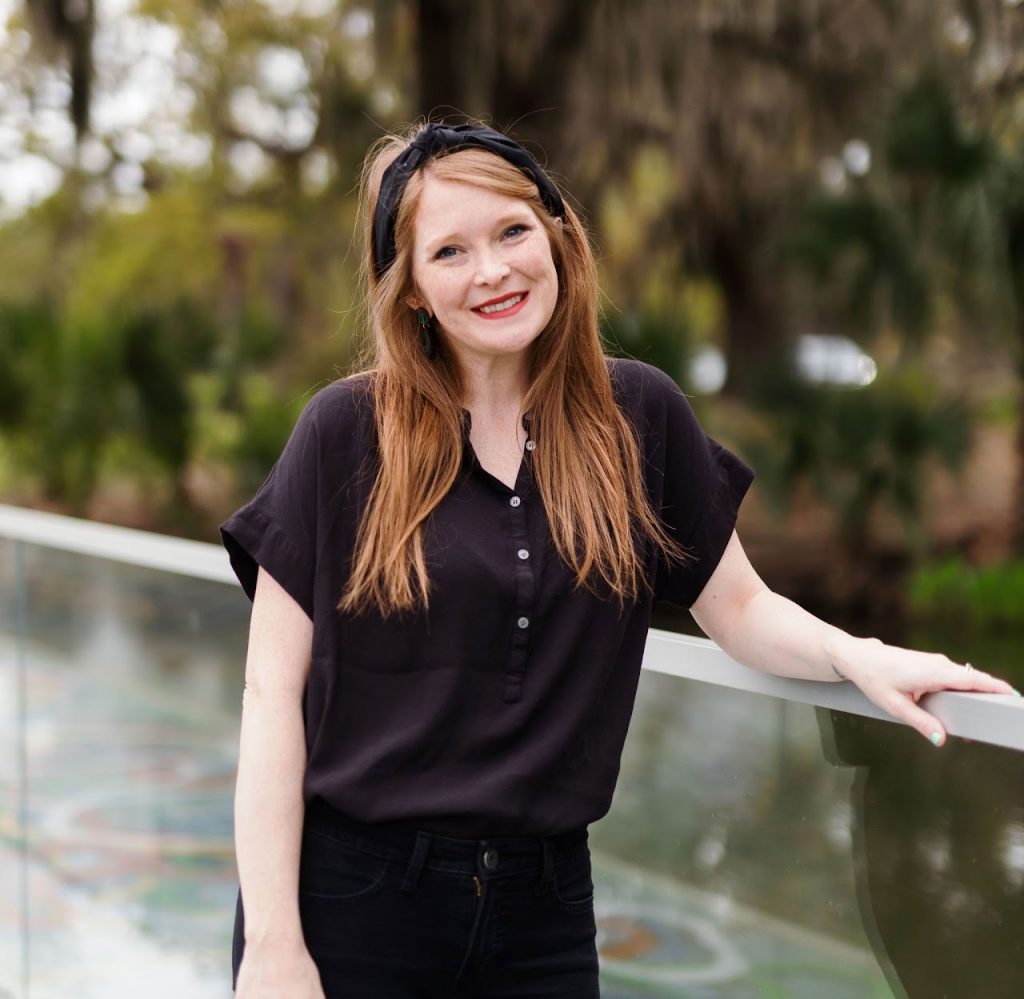
Amanda M. Kingston (she/her/hers) is a doctoral student in the Cultural Foundations of Education program at Syracuse University and is pursuing a certificate of advanced study (CAS) in Women’s and Gender Studies. Amanda’s research draws from eco-justice studies, ecofeminist inquiries, peace studies, memory studies, and postcolonial studies along an interdisciplinary foundations of education approach. Her publications and presentations include work on memorials and museums as sites of peace education, ecofeminist walking inquiries, environmental in/justice and environmental racism addressed in pre-service teacher education, and settler colonial memory making as a pedagogical project. Amanda served for two years as a teaching assistant in EDU 310: The American School, and in Fall 2024 began co-facilitating SU’s Intergroup Dialogue Program’s course Dialogue on Racism and Anti-Racism. She also serves as a Teaching Mentor for the Graduate School. Before attending Syracuse, Amanda worked in classrooms and schools in Louisiana and Oklahoma for 8 years as a 6-12th grade humanities teacher and academic administrator, and as a community educator with an Oklahoma City-based nonprofit that welcomes and partners with the resettled refugee community in Oklahoma. Amanda holds a MA degree in Social Foundations of Education from Oklahoma State University and BA degree in English with an emphasis in Creative Writing and a minor in Art History from the University of Missouri.
Etije Walker
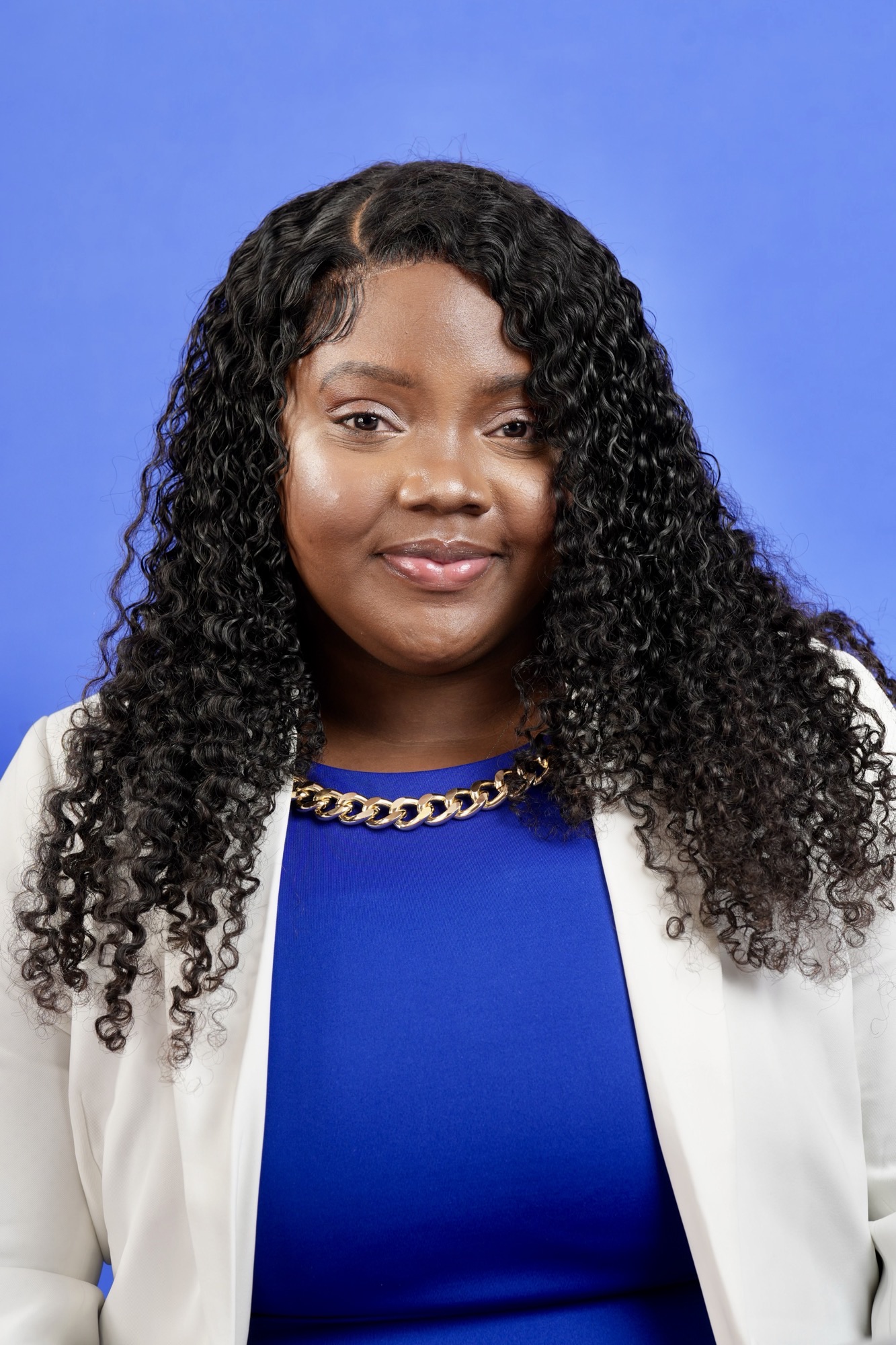
Etije Mehdori Walker (she/her/hers) is a doctoral student in the Cultural Foundations of Education program at Syracuse University. Etije’s research focuses on charter school effectiveness through student voice, employing qualitative methodologies and Youth Participatory Action Research (YPAR) to center students’ lived experiences in educational assessment. Her work explores the intersection of diversity, equity, and inclusion within educational settings, with particular emphasis on how student perspectives can transform pedagogical approaches and institutional structures. Etije served two years as the graduate assistant for EDU 470 overseeing students who participated in internships for the Selected Studies undergraduate major. Etije currently serves as a facilitator for Syracuse University’s Intergroup Dialogue Program course on Racism and Anti-Racism. Etije has worked for over five years in middle school education. During this time, she specialized in data-driven instruction, curriculum development, and restorative classroom management practices, consistently advocating for student voice in classroom decision-making processes. Her experience in charter school environments has informed her current research on how qualitative approaches can better capture the nuanced impacts of educational interventions beyond standardized metrics. Etije holds a MA in Teaching from Relay Graduate School of Education and a BA in Anthropology from Skidmore College.